Turnbull National Wildlife Refuge
Community spots & sessions in WA · on LutherHeggs
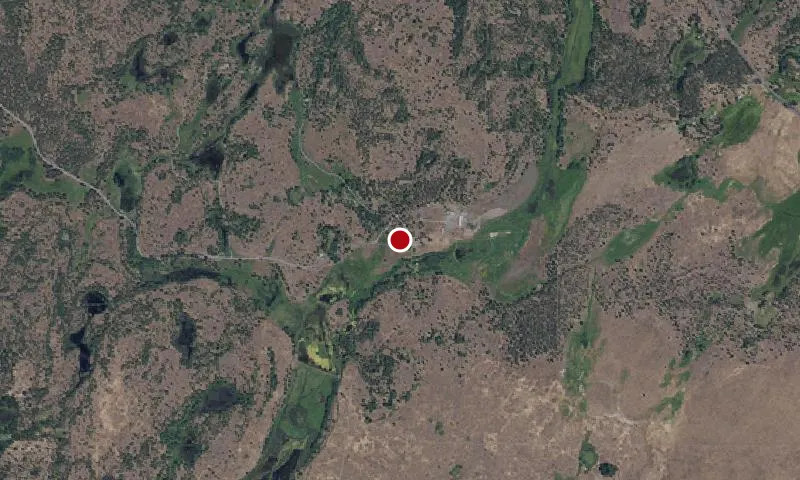
Turnbull National Wildlife Refuge, established in 1937 by Franklin D. Roosevelt, encompasses over 23,000 acres of the Channeled Scablands habitat of eastern Washington. The ecosystem that predominates the refuge is unique within the National Wildlife Refuge System and has characteristics that distinguish it from natural reserves worldwide with its broad diversity of plants and animals. The powerful forces of volcanism, glaciation and the largest floods in geological history have combined to forge a distinct environment. The combination of basalt outcrops, flood eroded channels, and ponderosa pine forests infused in a diverse landscape of over 130 marshes, wetlands and lakes, create an environment of aesthetic beauty as well as high quality wildlife habitat. Refuge ecosystems represent an ecological transition between the dry, sagebrush dotted grasslands of the Columbia Basin and the timbered Selkirk and Bitterroot Mountain Ranges that rise up to the east. The more than 3,000 acres of wetlands on Turnbull NWR represent some of the last quality breeding habitat available in eastern Washington for waterfowl, which have experienced tremendous population declines across North America due to loss and degradation of breeding, migration, and wintering habitat. The area serves as an important link in migrations for at least 139 species of birds, but its best function is a production area for at least 100 bird species. Habitat diversity provides a stable, productive and flexible resource to ensure that the native faunal diversity of the Refuge is maintained. The Refuge restores and maintains ecosystem processes that provide for a natural diversity of flora and fauna native to the wetland, aspen , riparian, steppe, and ponderosa pine communities of eastern Washington. Maintenance of biodiversity is further supported by the conservation of threatened and endangered species.