Minidoka National Wildlife Refuge
Community spots & sessions in ID · on LutherHeggs
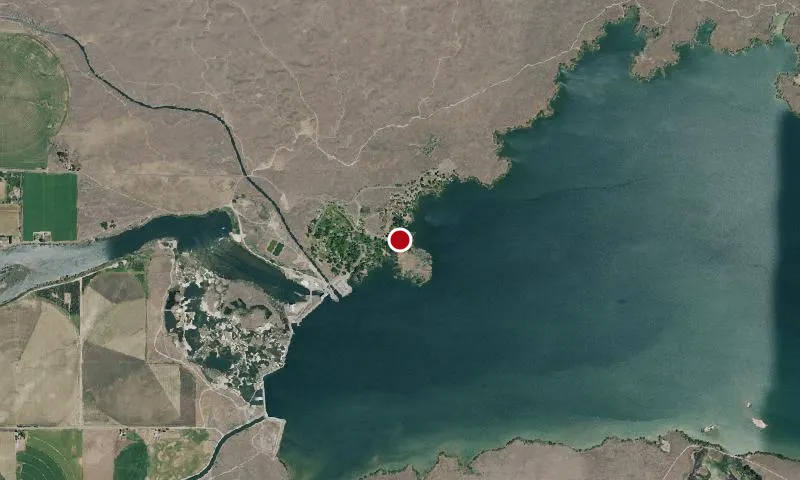
Minidoka National Wildlife Refuge was established on February 25, 1909 as part of the executive order 1032 signed by President Theodore Roosevelt for the protection of “native birds.” About half of the refuge’s 20,699 acres is open water and wetlands. In this arid landscape, these resources serve as an oasis drawing numerous wildlife species from miles around. Many species use the bulrush and cattail habitat that lines the lake’s small bays. Others use the willows, cottonwoods and other trees growing near shorelines. The rest of the refuge is low, rolling uplands covered by sagebrush, grasses and isolated juniper patches amongst scattered outcrops of basalt. The climate is semi-arid with about 11 inches of precipitation a year, much of it falling as snow during the winter. Summers are hot and dry with highly variable rain during thunderstorms. Winters are generally moderate but windy. The elevation is about 4200 feet. The U.S. Fish and Wildlife Service manages the refuge. The U.S. Bureau of Reclamation operates the dam and power plant and controls the water levels in the reservoir. The Idaho Department of Parks and Recreation manages Lake Walcott State Park, a 30 acre park near the dam that offers campgrounds, picnic areas, a disc golf course, cabins, and a boat ramp. The park is a fee area.