Lost Trail National Wildlife Refuge
Community spots & sessions in MT · on LutherHeggs
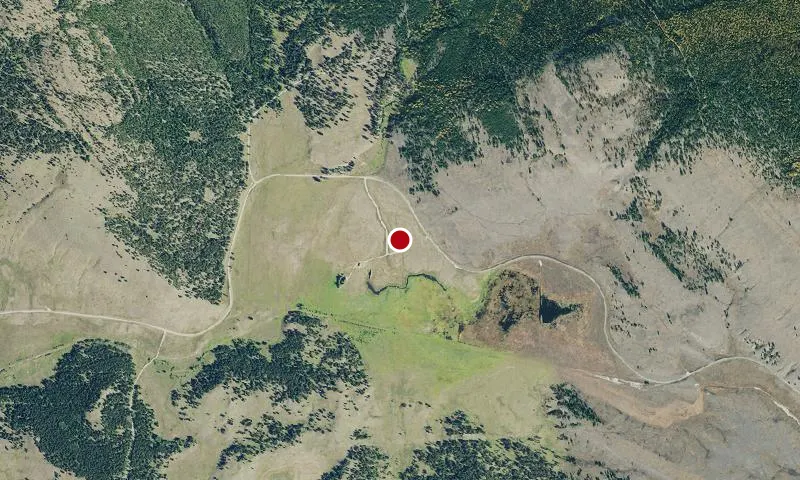
Lost Trail National Wildlife Refuge was established on August 24, 1999 and became the 519th refuge in the National Wildlife Refuge System. It was established for: use by migratory birds, conservation of fish and wildlife resources, fish and wildlife oriented recreation and the conservation of endangered or threatened species. Lost Trail National Wildlife Refuge contains four broad types of habitats: lakes and wetlands, riparian areas, intermountain grasslands (especially bunchgrass prairie), and forest. The wetlands provide important migration and breeding habitat for waterfowl and other waterbirds, and riparian habitat provides important migration and breeding habitat for songbirds. Refuge grasslands offer critical winter habitat for large mammals such as mule deer and elk. Bald eagles, falcons, hawks, and owls find excellent roosting and nesting habitat in the forest. In addition, the forest is hunting habitat for lynx and potential denning habitat for the grizzly bears and gray wolves that live near the Refuge and that once inhabited the lands now within the Refuge.