Defensive Sites of Dinetah
Community spots & sessions · on LutherHeggs
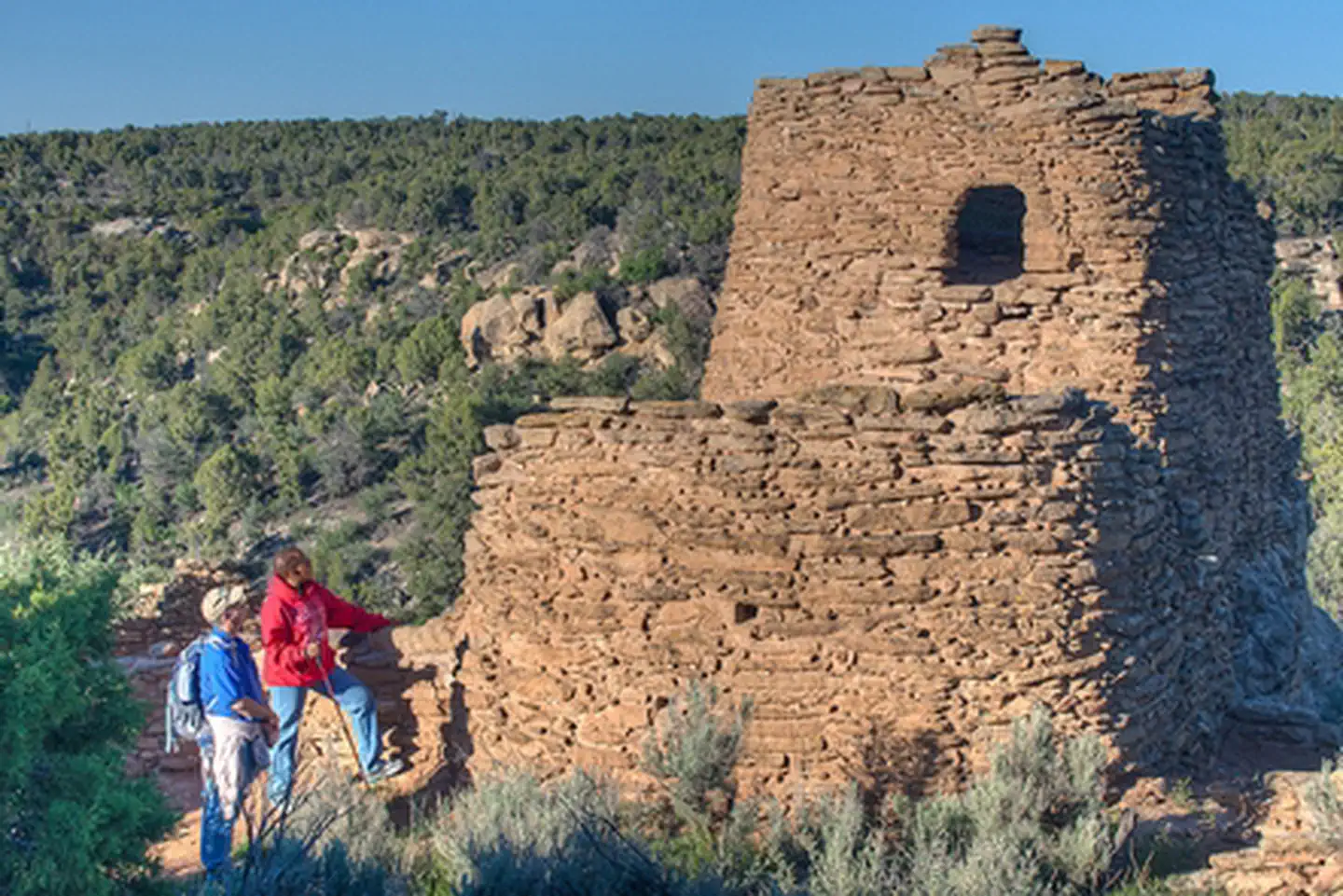
The small, aboveground masonry structures of northwestern New Mexico called "pueblitos" (Spanish for "little pueblos") drew the attention of the first European visitors to this area centuries ago. The pueblitos were observed by Spanish travelers in the early to mid-1700s, who remarked that they were places of defense against the Utes and Comanches. The early 20th century residents of the Gobernador area used the term pueblitos in reference to these small stone structures. In the early 1900s, the noted archaeologist Alfred Kidder proposed that these structures might have been built by Puebloan refugees fleeing Spanish reprisals after the Spanish resettlement of New Mexico in 1692, although research since then has well established that most, if not all, of the pueblitos were constructed by the Navajo (Diné). These "Pueblitos of Dinétah" (pueblitos in the homeland of the Diné) were constructed in the 17th and 18th centuries and used defensively as well as for shelters and cooking. They are often situated on large boulders or outcrops, allowing the residents to have maximum vantage points. Architectural elements include roofs, hooded fireplaces, hogan foundations as well as peep holes for doorway security. Pueblitos under the jurisdiction of the Bureau of Land Management include Simon Canyon Ruin, Tapacito Ruin, Split Rock Ruin, Frances Canyon Ruin, Hooded Fireplace Ruin, Largo School Ruin, and Crow Canyon Site. All of these sites were listed on the National Register of Historic Places in 1974 and 1987.